Amplifies community voices
Residents tell their own stories, in their own words.
Community Coalition, For Health

C.A.P.H.E.P. documents the experiences of individuals and families who have been pushed out of Travis County by rising housing costs. Their stories show how losing a home can also mean losing health care, stability, and community, and they help shape solutions that work.

Exploring how housing instability reshapes lives, disrupts care, and tears at the fabric of Travis County communities.
We serve residents facing housing instability, low-income families, and vulnerable communities. C.A.P.H.E.P. raises awareness about displacement, loss of community support, and reduced access to health care and services.
How Community Support Helped Jalil Access Kidney CareC2H Texas on YouTube
Displacement is more than a change of address. For many families in Austin's Eastern Crescent, one move sets off a chain reaction that affects every part of life.
Sources: KUT on the 2025 Austin-Travis County Community Health Assessment; Urban Displacement Project and UT Austin's Uprooted study.
C.A.P.H.E.P. raises awareness about displacement, the loss of community support, and reduced access to health care and services. By gathering real stories from real families, it gives a voice to people who are often left out of the conversation.
This is community outreach for health equity at its most personal. What residents share helps C2H and our partners see where the gaps are, and what it will take to close them.
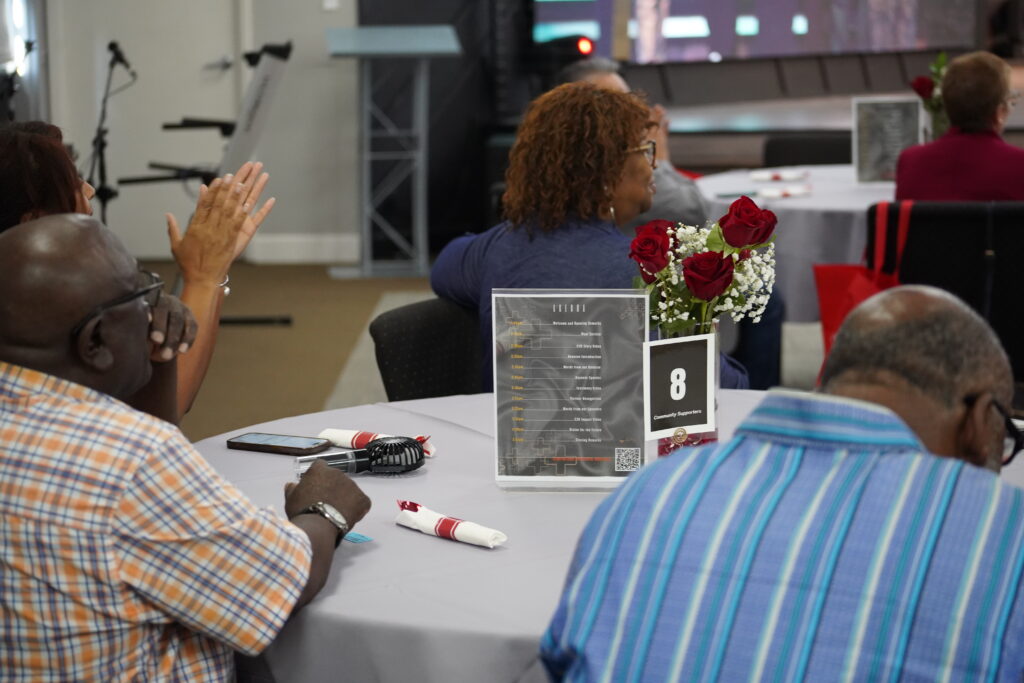
Residents tell their own stories, in their own words.
Stories reveal where families fall through the cracks.
Findings shape stronger programs and smarter support.
Shared evidence builds partnerships and drives change.
Residents share how housing changes have affected their health, stability, and access to care.
Community and research partners look for patterns and gaps in services.
Findings inform community-driven health initiatives and new partnerships.
Results are shared with the community and leaders to support advocacy.
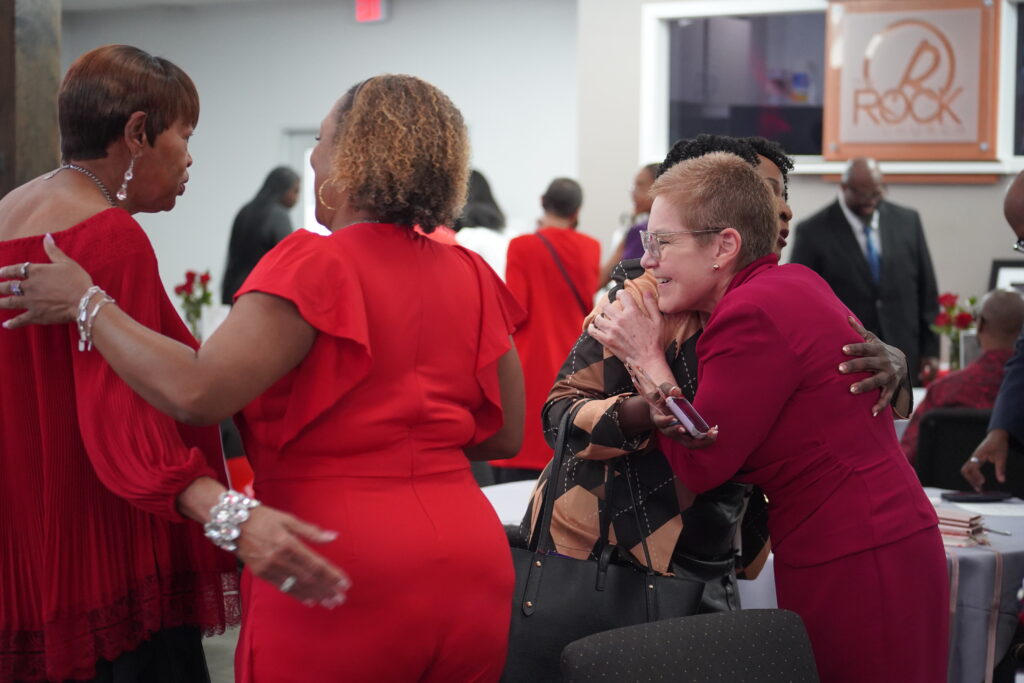
If you or your family have moved, or been forced to move, because of housing costs in Travis County, we want to hear from you. Your experience can help leaders understand what displacement really costs, and help other families get the support they need.
Moving can disrupt care, school, and connection. These C2H programs offer underserved community health support that can help you stay on track.
Our Medical Access Program offers one-on-one help with health access services in Travis County, even after a move.
Medical Access ProgramFree computers and support help families keep up with telehealth, school, and benefits from anywhere.
Technology Access to ThriveFree events bring screenings, resources, and neighbors together across the Austin area.
Community calendarOur year-round collaborative projects connect community organizations with health and research partners. Together, participants develop and put into action community health strategies that create lasting, positive outcomes.
See more ways to join the work on our Get Involved page.
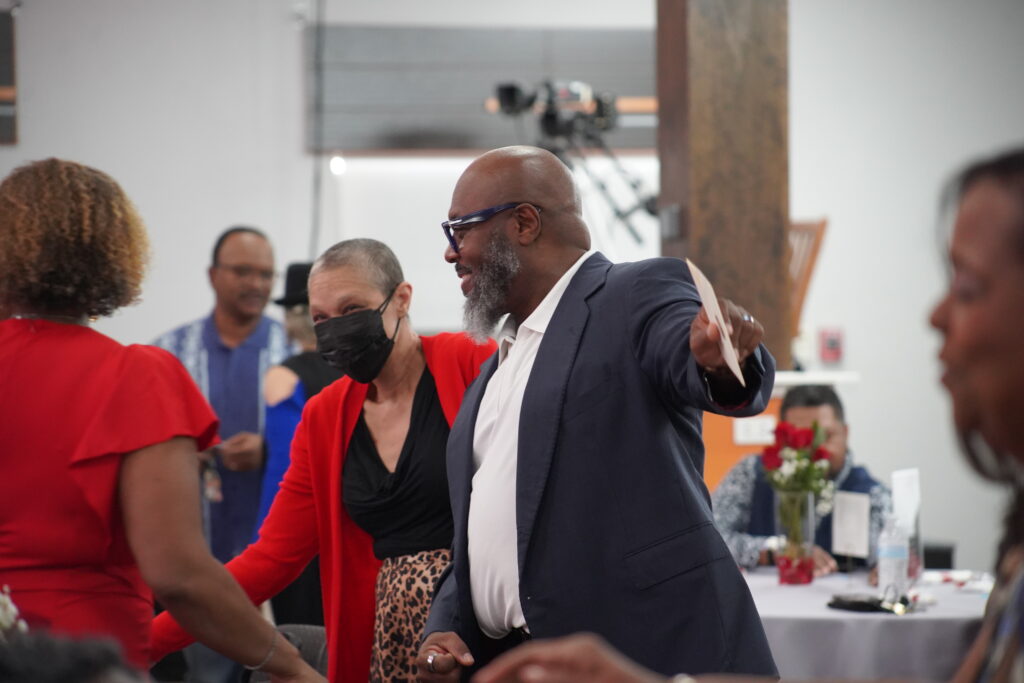
Want to learn more? Read updates and community stories on our Articles page, or contact us.
A year-round C2H initiative that documents how rising housing costs and displacement from Travis County affect health, stability, and access to essential resources.
Residents facing housing instability, low-income families, and vulnerable communities, including families who have moved out of Travis County because of cost.
Yes. The project focuses on people who have been displaced, so your experience is especially important. Contact us to get started.
Stories help identify service gaps, inform better programs, and strengthen advocacy with partners. Ask our team about how your story would be collected and shared before you take part.
Community organizations, health partners, and researchers can collaborate on projects and strategies. Reach out to start a conversation.
Share your experience, or reach out to learn how C.A.P.H.E.P. is working toward a healthier, more stable Travis County.
Your gift helps a health equity nonprofit in Texas listen to displaced families and turn their stories into real solutions. Explore all of our community wellness programs in Austin.
Donate